Council Approves Police Drone Program as Part of Larger $3.4 Million Axon Deal
Drones will soon launch from fixed locations around the city and reach some calls before officers do, piloted remotely from the police station.
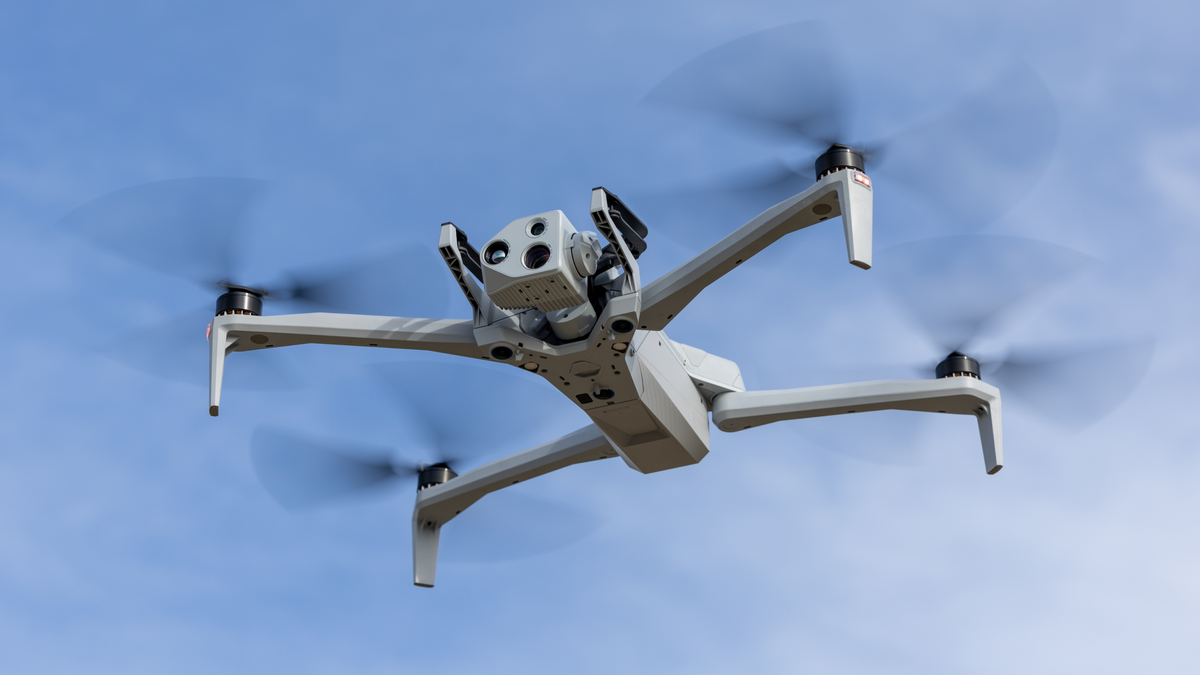
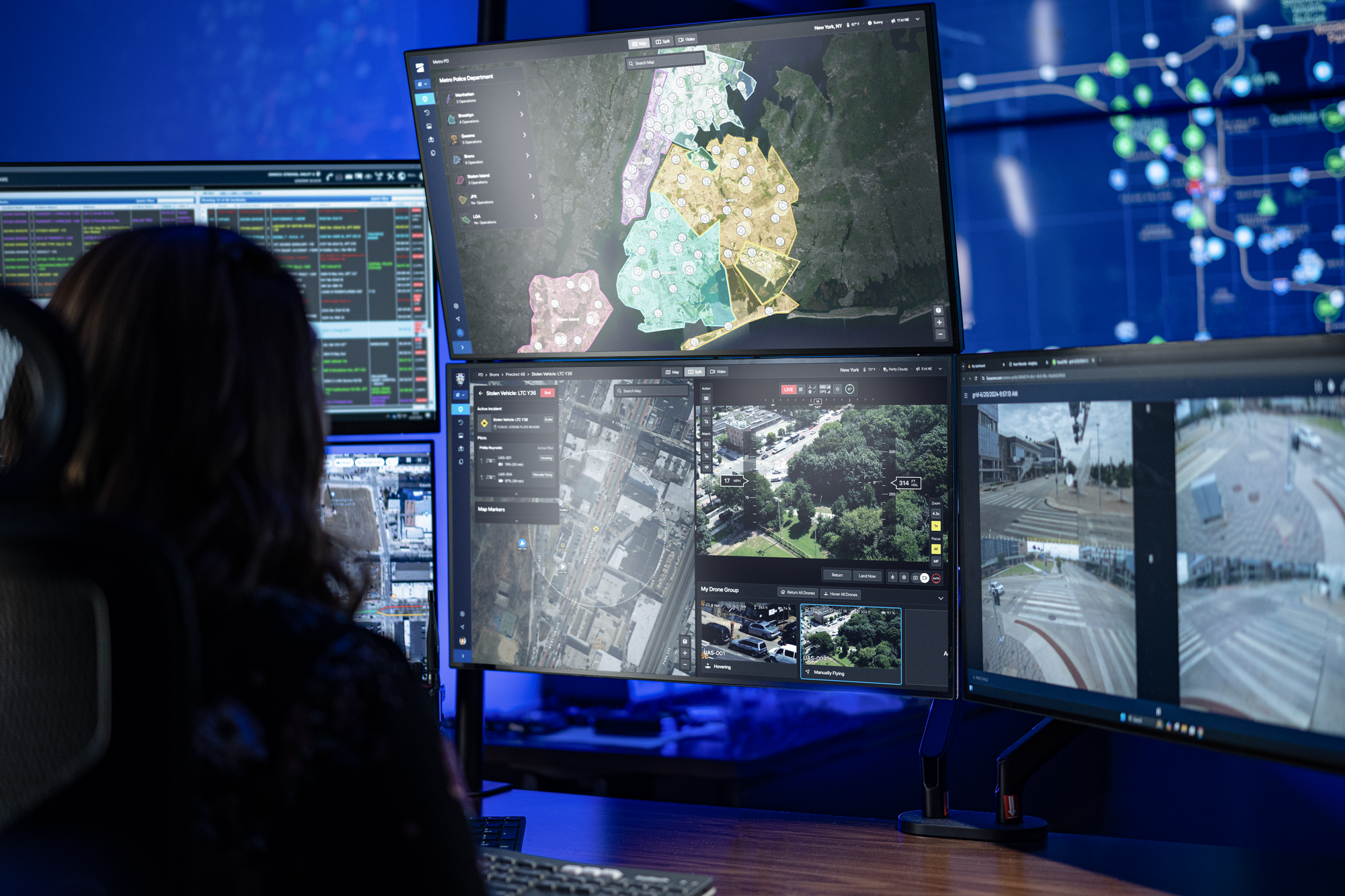
Whittier police drones are about to get a lot faster. Instead of an officer driving to a call and launching a drone once they arrive, a drone-operating pilot working out of the police station will be able to send one up before any patrol car even leaves the lot, sometimes reaching a scene in under 90 seconds.
The city council approved the program, known as Drone First Responder or DFR, on July 14 in a 4-1 vote. The vote adds about $1.05 million for the drones to the department's existing agreement with Axon Enterprise, bringing that five-year deal to a total of $3.44 million.
Axon is a publicly traded company with more than 18,000 law enforcement agencies as customers nationwide.
Council Member Aida Macedo cast the only no vote. "I understand that it's a useful tool for the department. I think my concern is outweighing the privacy concerns, and the integration with Peregrine," she said, referring to Peregrine, a separate data software contract the council took up and rejected later that same night.
Council members spent close to an hour asking Police Chief Aviv Bar how the drones get used, who can see the footage, and how long the department keeps it.
What This Actually Costs
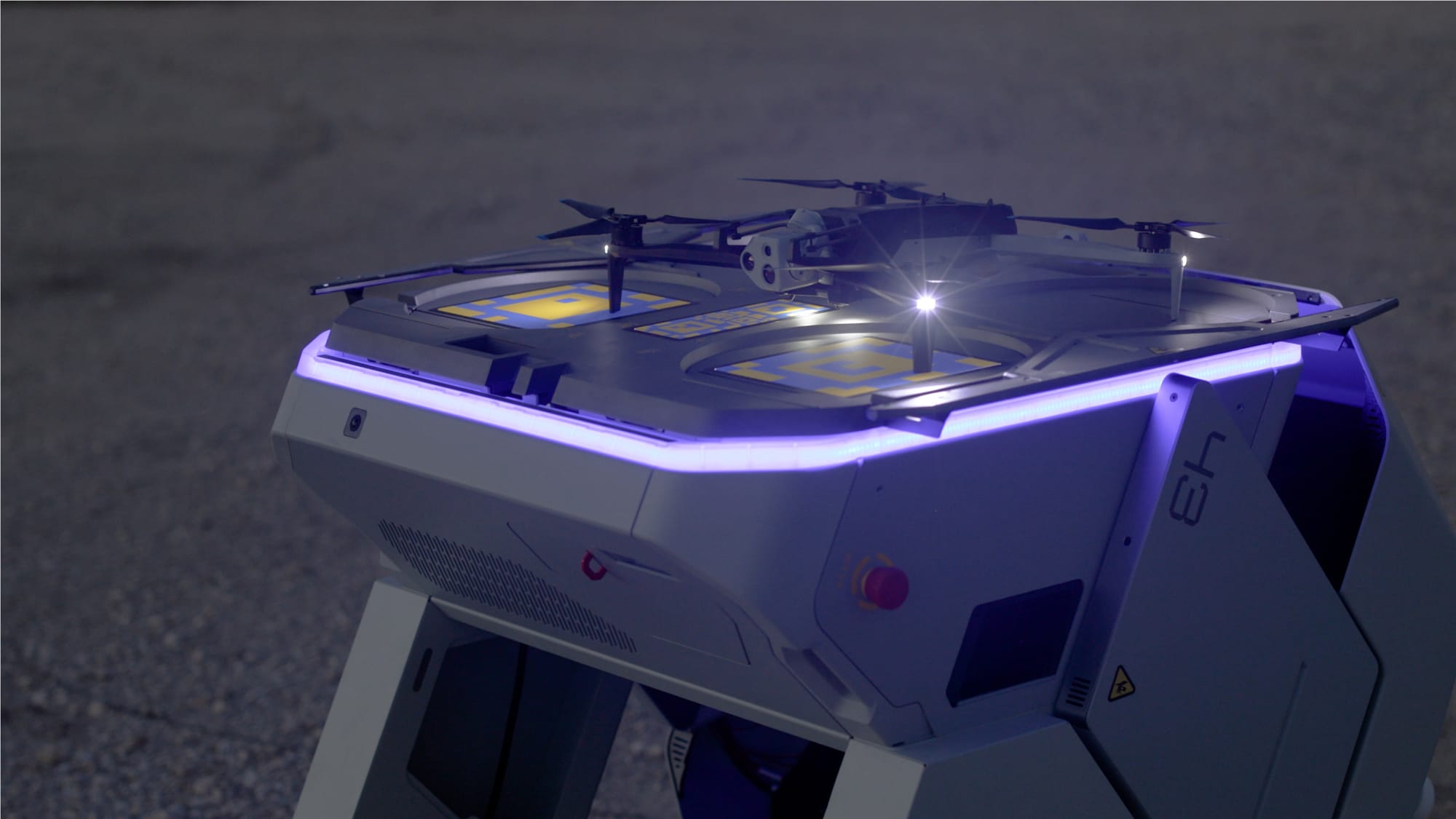
The drone budget covers three Skydio X10 systems, plus docking hardware, five-year software subscriptions, unlimited evidence storage, training, and support. The department plans to replace all three systems in February 2029.
That part of the deal costs about $1.05 million over five years. It starts around $193,000 the first year and climbs to about $226,000 by the fifth.
But the drones are just one piece of what the council actually approved. Instead of placing a standalone equipment order just for the drones, the city is ending two existing equipment orders with Axon and rolling everything into one new five-year order worth $3,443,427.89. The staff report Bar submitted to the council states that bundling the drones into the existing agreement "would provide the lowest cost available to the City."
Drones aside, the rest of the Axon budget is stuff the city already has: body cameras and evidence storage make up the biggest chunk, covering 150 officers. Plus automatic transcription and Axon Draft One, an AI program that writes a first draft of a police report using body camera audio.
The order also includes recording equipment for what looks like six interview rooms, sold under Axon's "Axon Interview" product line. Axon markets it as a way to record witness and suspect interviews, store them locally, and automatically upload them to Evidence.com. The staff report doesn't mention it when describing what the department's current Axon agreement covers, so it's not clear whether this is new equipment or something the report's summary just left out.
The staff report only mentioned the drone costs. What it didn't do was fully explain what was in the attached Axon quote, including the total price tag and the fact that two existing equipment orders were being shut down and replaced.
Macedo ran into this firsthand. During the meeting, she said she couldn't find the actual Axon agreement anywhere in the packet. The city attorney pointed her to a hyperlink buried inside the document, which led to Axon's website and a long list of terms and conditions pages. The city attorney's office said it had reviewed Axon's master agreement beforehand.
The staff report does not indicate the city sought competing bids before expanding its agreement with Axon.
Other companies do compete in this market. Motorola Solutions sells competing body camera and evidence management systems, and markets its own drone-first-responder technology through a partnership with Brinc and its own CAPE product line. Chula Vista Police Department, in San Diego County, says it launched the world's first police drone-first-responder programs in 2018, using Motorola's CAPE software. Brinc separately markets its own dock-based DFR system directly to public safety agencies.
Axon is widely used by law enforcement agencies nationwide, but without competing bids, there's no way to know whether Whittier is getting the best price or the best system for its money. Only a competitive bidding process would answer that question.
How the Drones Get Used
The department has 13 drones and usually flies just one at a time. Bar said an officer can't send a drone up on their own. It has to go through a watch commander first.
Bar gave the council a few examples of how drones have helped on calls. In one case in a neighboring city, officers got a report of kids passing around what looked like a gun. A drone got above them from about 200 feet up, close enough to zoom in without being spotted, and the operator watching the video could tell it was actually a lighter shaped like a gun. That information reached the responding officers before they even arrived, changing how they handled it.
He also talked about using drones with heat-sensing cameras to search for missing people at night, including someone reported on the Greenway Trail at 2 a.m. On foot, he said, that kind of search can take officers hours. From the air, it's much faster. And during standoffs with armed suspects in cars, Bar said a drone can land right on the hood and look inside without an officer having to get close.
Cameras only record when a drone is looking into something tied to a possible crime, Bar said. That video gets uploaded to Evidence.com, the same system that stores body camera footage, and it's shared with the LA County District Attorney's Office if it's needed for a case.
Council Member Vicky Santana asked about this year's Fourth of July, when the department used drones to catch people setting off illegal fireworks.
"We wrote 41 citations for violations that were observed by the drones," Bar said. Property owners got the citations in the mail instead of being confronted in person.
Data Privacy and Retention
How long does the department keep all this footage? Bar said it depends on the case. Video tied to unsolved cases or homicides gets kept forever, since new evidence like DNA can turn up decades later. Everything else follows the city's standard retention schedule, which the department's Office of Professional Standards reviews once a year.
Bar also said the department doesn't hand drone footage, or any other Axon data, over to federal immigration agents on its own. He pointed to SB 54, the state law that limits how much local police can help with civil immigration enforcement.
Transparency
Once DFR is up and running, residents will be able to go online and look up records of the department's drone flights. Bar said the dashboard will show the date, time, location, and stated reason for each flight, something the current drone program doesn't offer. Anyone wondering how often drones are flying near their neighborhood, or why, will be able to check for themselves instead of just taking the department's word for it.
Bar also pushed back on the idea that these are military weapons. He described the drones as commercial products, similar to what real estate agents or utility companies use to check roofs and power lines.